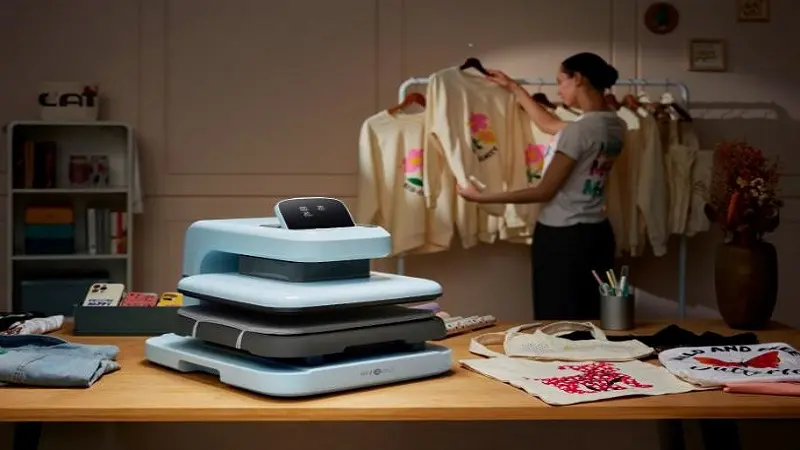
Custom printing has become one of the fastest-growing creative industries in recent years. From small home businesses to large production shops, more people are creating personalized T-shirts, hoodies, tote bags, hats, and promotional products than ever before. The quality of these finished items depends not only on design skills but also on choosing the right equipment and materials.
A reliable heat press machine is the foundation of professional heat transfer projects. When combined with premium heat transfer vinyl, it allows creators to produce vibrant, durable, and attractive designs that customers appreciate. New specialty materials such as puff heat transfer vinyl have also introduced exciting creative possibilities by adding a raised, textured finish that makes designs stand out.
Whether you are starting a custom apparel business or upgrading your current workspace, understanding how these products work together can help you achieve consistent results. This guide explains everything you need to know about selecting equipment, choosing the right vinyl, improving print quality, and creating professional-looking products that last.
Why a Heat Press Machine Is Essential for Professional Results
A quality heat press machine provides controlled heat, pressure, and timing, making it much more reliable than household irons. Consistent temperature ensures the adhesive on the vinyl bonds properly with the fabric, creating designs that remain vibrant after repeated washing.
Uneven pressure often causes peeling edges, incomplete adhesion, or faded areas. When every part of the design receives equal pressure, the finished product looks cleaner and lasts much longer.
Modern heat press machines are available in several styles, including clamshell, swing-away, drawer-style, and portable models. Each serves different production needs. Small businesses often begin with compact models before expanding to larger machines that can handle higher production volumes and oversized garments.
Choosing the correct machine also improves efficiency. Faster heating, digital controls, and accurate temperature settings reduce mistakes and save valuable production time. This becomes especially important when fulfilling multiple customer orders within tight deadlines.
Understanding Heat Transfer Vinyl and Its Everyday Applications
Heat transfer vinyl has become one of the most popular decorating materials for garments because it is easy to cut, weed, and apply. It works well on cotton, polyester, cotton blends, canvas, and many other compatible fabrics.
One of the biggest advantages of heat transfer vinyl is its versatility. It allows creators to personalize T-shirts, sweatshirts, sports uniforms, jackets, baby clothes, shopping bags, pillow covers, and many promotional products. Businesses use it to create branded uniforms, while hobbyists enjoy making personalized gifts for family and friends.
The material is available in a wide variety of finishes, including matte, glossy, metallic, glitter, holographic, reflective, and stretch options. These choices allow designers to match the appearance of the vinyl with the purpose of the project. Sportswear may require stretch vinyl, while fashion garments might benefit from metallic or glitter finishes.
Proper preparation also contributes to successful applications. Washing garments before pressing, removing moisture through pre-pressing, and ensuring the surface is free from dust all improve adhesion. Following the recommended temperature, pressure, and pressing time for each type of vinyl helps create long-lasting designs.
How Puff Heat Transfer Vinyl Creates Eye-Catching Designs
Among today’s specialty materials, puff heat transfer vinyl has quickly gained popularity because of its unique three-dimensional appearance. Unlike standard vinyl that remains flat after pressing, puff vinyl expands during the heating process to create a soft raised texture.
This textured finish gives logos, lettering, and graphics additional depth, making them visually striking. Clothing brands often use puff effects on hoodies, sweatshirts, oversized T-shirts, and streetwear collections to achieve a premium look that immediately captures attention.
Design preparation is especially important when working with puff heat transfer vinyl. Simpler graphics and bold lettering usually produce better results than highly detailed artwork. Thin lines may not expand evenly, while larger design elements create a more dramatic raised effect.
Temperature control is another key factor. Applying excessive heat can flatten the expanded texture, while insufficient heat may prevent the vinyl from puffing correctly. Testing the material on spare fabric before beginning a production run helps ensure consistent quality across every garment.
As creative fashion trends continue to evolve, puff heat transfer vinyl offers businesses an effective way to differentiate their products and provide customers with distinctive apparel that feels as impressive as it looks.
Choosing the Best Materials for Long-Lasting Performance
The success of any heat transfer project depends on more than simply owning a good heat press. Selecting compatible materials ensures durability, vibrant colors, and customer satisfaction.
High-quality heat transfer vinyl typically offers stronger adhesive properties and greater resistance to washing, stretching, and everyday wear. While lower-cost materials may reduce initial expenses, they often peel or crack much sooner, leading to customer complaints and replacement costs.
Fabric selection also matters. Cotton remains one of the easiest materials for applying vinyl because it tolerates heat well and provides excellent adhesion. Polyester requires careful temperature control to prevent scorching or dye migration, while blended fabrics may require slight adjustments depending on their composition.
The quality of the garment itself influences the final appearance. Smooth, tightly woven fabrics generally produce cleaner results than rough or loosely woven materials. Premium garments often showcase vinyl colors more vividly while providing a better surface for accurate application.
Storage conditions should not be overlooked. Keeping vinyl rolls in a cool, dry location away from direct sunlight helps preserve adhesive quality. Proper handling extends the lifespan of both standard heat transfer vinyl and specialty materials like puff heat transfer vinyl.
Tips for Getting Better Results With Every Press
Producing professional-quality products consistently requires attention to detail throughout the entire workflow. Even experienced decorators continue refining their techniques to improve efficiency and reduce waste.
Begin every project by verifying the recommended temperature, pressure, and pressing time for the selected material. Different brands of heat transfer vinyl may require slightly different settings, making it important to follow manufacturer instructions rather than relying on general estimates.
Pre-pressing garments for several seconds removes wrinkles and moisture that can interfere with adhesion. This simple step creates a smoother surface and improves the bond between the vinyl and fabric.
Accurate positioning also plays a significant role. Measuring design placement before pressing prevents crooked graphics and reduces costly mistakes. Heat-resistant tape can help keep designs in place during pressing, especially when working with layered graphics or specialty materials.
Regular maintenance of the heat press machine contributes to consistent performance. Cleaning the heat platen, checking pressure adjustments, and periodically verifying temperature accuracy help maintain professional-quality results over time.
Patience during cooling and peeling is equally important. Some materials require hot peeling, while others perform better with warm or cold peeling. Following the recommended peeling method minimizes lifting and preserves clean design edges.
Growing a Successful Custom Apparel Business
The demand for personalized clothing continues to expand as customers seek products that reflect their personality, interests, or brand identity. Investing in quality equipment allows entrepreneurs to compete effectively while delivering reliable results.
A dependable heat press machine supports production of numerous products beyond standard T-shirts. Many businesses expand into hoodies, hats, tote bags, aprons, mouse pads, baby clothing, sportswear, and corporate promotional items. Diversifying product offerings creates additional revenue opportunities throughout the year.
Offering unique finishes such as puff heat transfer vinyl can help attract customers looking for fashionable, premium apparel. Creative textures often increase the perceived value of custom garments, allowing businesses to charge higher prices while differentiating themselves from competitors.
Customer satisfaction remains the foundation of long-term success. Consistent print quality, durable materials, accurate order fulfillment, and timely delivery encourage repeat business and positive referrals. Investing in premium heat transfer vinyl rather than choosing the cheapest option often pays for itself through improved customer loyalty.
As production grows, workflow optimization becomes increasingly important. Organizing materials, maintaining equipment, and developing standardized production processes reduce errors while increasing efficiency. These improvements allow businesses to complete larger orders without sacrificing quality.
Staying informed about industry trends also provides a competitive advantage. New vinyl finishes, garment styles, and decorating techniques create fresh opportunities to expand product collections and appeal to evolving customer preferences.
Conclusion
Creating outstanding custom apparel begins with selecting reliable equipment and high-quality materials. A professional heat press machine provides the consistent heat, pressure, and precision needed for durable, attractive transfers that maintain their appearance over time.
Standard heat transfer vinyl remains one of the most versatile decorating materials available, making it suitable for countless personal and commercial projects. Meanwhile, puff heat transfer vinyl introduces a modern textured effect that helps garments stand out in an increasingly competitive marketplace.
Success comes from combining the right equipment with proper techniques, quality materials, and careful attention to detail. Whether you are launching your first custom apparel business or expanding an established operation, investing in dependable tools and continuously improving your skills will help you produce products that customers value and recommend. By focusing on craftsmanship and consistency, you can build a reputation for quality while creating apparel that looks professional, feels premium, and lasts through years of regular use. See more